
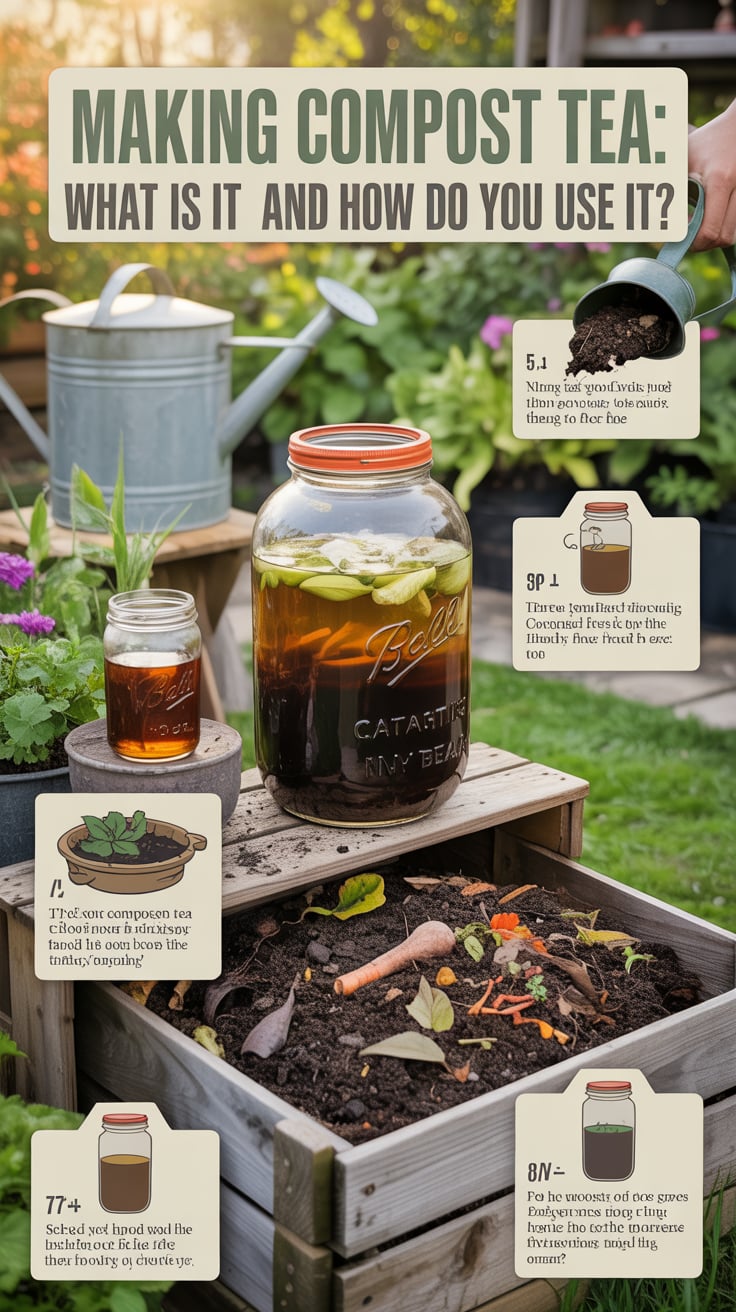
Compost tea is a living, liquid extract made by steeping high-quality compost in water to transfer beneficial microbes and soluble nutrients into a form you can spray or drench onto plants. Making compost tea, what it is, and how to use it effectively are topics that blend soil science and practical gardening, and when done right, this tool can help jumpstart soil biology, support plant vigor, and complement a regenerative garden routine.
If you value resilience in your garden and want reliable water on hand for mixing or irrigation, a simple storage-and-delivery solution like the New Water Offer: SmartWaterBox can be a helpful companion alongside your soil-building efforts.
Table of Contents
Understanding compost tea and how it works
At its core, compost tea is a microbial inoculant. When you brew it properly, you’re encouraging and extracting a diverse community of bacteria, fungi, and protozoa that can colonize plant surfaces and soil. These organisms break down organic matter, help release tied-up nutrients, and can compete with or antagonize some plant pathogens on leaf surfaces. This isn’t a synthetic fertilizer; it’s a biology booster that supports nutrient cycling and root health.
You’ll find two broad categories:
- Aerated compost tea (ACT): Compost is placed in vigorously aerated water for 12–36 hours with or without small amounts of microbial foods (like unsulfured molasses or soluble kelp). The air keeps dissolved oxygen high, encouraging aerobic microbes typically associated with plant health.
- Non‑aerated compost tea: Compost steeps passively in water for one to several days. This can drift toward low oxygen if not managed carefully and is more likely to develop off-odors or unwanted microbes.
Why it matters: Oxygen levels shape which organisms grow. Gardeners typically prefer ACT because it tends toward aerobic communities and produces a tea you can use quickly with minimal risk of anaerobic odors. Regardless of method, the quality of your starting compost drives results. Vermicompost (worm castings) and well-finished, mature compost made from diverse inputs often yield more robust microbial populations and a balanced nutrient profile.
A quick note on expectations: Compost tea can help with soil structure, root vigor, and nutrient availability over time, especially as part of a holistic program that includes compost, mulches, and living roots. It is not a silver bullet for plant diseases or a substitute for good cultural practices. Research outcomes on disease suppression vary widely because starting compost, brewing conditions, and application methods vary, too. Treat it as a complementary tool rather than a cure-all.
Benefits that hold up in real gardens
- Soil biology jumpstart: Tea introduces a pulse of living microbes and soluble organic compounds that can wake up tired soils and accelerate the transformation of organic matter into plant-available nutrients.
- Root-zone resilience: A thriving soil food web can improve root growth, water uptake, and overall plant vigor. Many gardeners notice stronger transplants and better recovery after stress when soils are biologically active.
- Foliar surface support: When applied as a fine foliar mist, tea can help populate leaf surfaces with harmless or beneficial organisms. This can reduce ecological space for some opportunistic pathogens to establish. Consistency and timing matter more than any single application.
- Gentle nutrient nudge: Tea often contains a small amount of soluble nutrients and plant growth compounds extracted from compost. Think of this as a light, biologically packaged tonic rather than a primary fertilizer. Continue to build soil with compost, cover crops, and balanced amendments.
- Lawn and landscape versatility: Compost tea can be used as a soil drench on lawns and ornamentals to gradually improve soil tilth, decrease compaction, and reduce thatch as microbial communities rebalance.
Set realistic timelines. You’ll typically see the most value from compost tea after repeated, well-timed applications layered with other regenerative practices: mulching, reduced tillage, diverse plantings, and judicious irrigation. Over time, soils become spongier, roots explore deeper, and plants ride out heat and dry spells more gracefully.
Be mindful that tea is not a stand-alone preventative or treatment. If your garden struggles with chronic disease pressure, invest in resistant varieties, crop rotation, sanitation, canopy airflow, and proper watering first. Compost tea can be the biological “polish” on top of those fundamentals.
Ingredients and water quality that make or break your brew
Great compost tea starts with great compost. That means:
- Mature, finished compost or vermicompost with a pleasant earthy smell (not sour or rotten).
- Diverse feedstocks (leaves, plant residues, manures that were fully composted) for a balanced microbial community.
- No visible contaminants or undecomposed chunks.
Optional microbial foods and boosters:
- Unsulfured molasses or simple sugars can feed bacteria during brewing. Use sparingly; too much can cause explosive growth and oxygen crashes.
- Kelp meal or soluble kelp adds trace minerals and growth-promoting compounds and may favor a more balanced biology.
- Fish hydrolysate is a strong microbial food but can increase odor and attract pests; use very small amounts if you choose to include it.
Water quality is equally important:
- Chlorine and chloramine, used in municipal water, can suppress microbes. Let chlorinated water off-gas by bubbling or sitting in an open container for 12–24 hours. Chloramine is more persistent; activated carbon filtration helps remove it.
- Maintain water in a moderate temperature range (roughly cool to lukewarm touch). Extremes can stress microbes.
If you’re also thinking about preparedness and dependable garden watering, a simple filtration or storage setup like the Aqua Tower can help you keep a consistent water source on hand for mixing and irrigation when you need it most.
General ratios for a small home brew:
- For roughly 5 gallons (19 L) of tea: 2–4 cups (0.5–1 L) of high-quality vermicompost/compost in a mesh bag.
- Optional foods: 1–2 tablespoons of unsulfured molasses and/or a small pinch of soluble kelp. When starting out, err on the light side with foods.
Sanitation matters. Clean all equipment before and after brewing to avoid biofilm buildup and cross-contamination. Rinse, then wash with a mild detergent, and allow to dry completely. A clean system supports consistent, aerobic brews and better results on your plants.
Equipment and setup for a dependable brew
You don’t need a fancy machine to make effective compost tea at home, but you do need steady aeration and clean gear. Assemble:
- A sturdy 5-gallon (or larger) food-safe bucket or container.
- A strong aquarium-style air pump sized to your container volume, plus tubing and at least one large air stone or diffuser. The goal is vigorous, rolling aeration.
- A mesh strainer bag or paint strainer (400–800 microns) to hold compost while allowing microbes to migrate out.
- A clean stick or spoon for stirring.
- Thermometer (optional but useful) to keep an eye on water temperature.
- Sprayer or watering can for application. If using a sprayer, plan to filter tea through a fine mesh before filling to prevent clogs.
Brew station setup tips:
- Place your bucket somewhere shaded and out of direct sun, which can overheat the brew and degrade microbes.
- Raise the bucket off the ground, if possible, to keep it cleaner and make draining easier.
- Keep electrical components (pump) dry and elevated.
Cleaning protocol:
- Before brewing: Rinse bucket and stones, then wash with warm soapy water, rinse thoroughly, and let dry.
- After brewing: Rinse immediately, scrub any biofilm, and let gear air-dry completely. Replace air stones periodically to prevent clogging and harboring unwanted organisms.
Airflow is your lifeline. Even distribution of bubbles helps keep compost particles moving gently and increases oxygen levels throughout the bucket. If you notice dead zones (areas without movement), add another air stone or reposition the diffuser.
A practical guide to making compost tea at home
Here’s a straightforward, repeatable process for making compost tea that balances ease with quality.
- Prepare the water
- Fill the bucket with clean water. If using tap water, allow it to aerate for 12–24 hours to reduce chlorine. With chloramine, consider a carbon filter.
- Aim for a moderate temperature—cool morning hose water can be fine; avoid hot water.
- Load the compost bag
- Place 2–4 cups of mature compost or vermicompost into your mesh bag and tie it loosely so water can circulate freely.
- Hang or suspend the bag in the bucket so it sits roughly mid-depth.
- Add optional microbial foods
- Start with 1 tablespoon of unsulfured molasses and/or a light pinch of soluble kelp for a 5-gallon brew. You can tweak later based on results and smell. Less is often more.
- Start vigorous aeration
- Turn on the air pump and adjust stones until you get a lively, rolling boil of bubbles across much of the surface. Stir gently to break up any clumps.
- Brew and monitor
- Brew for about 12–24 hours in mild weather, up to 36 hours in cooler conditions. The sweet spot is typically when the tea smells pleasantly earthy or yeasty, not sour or rotten.
- Check periodically. If foam rises and falls, that’s normal; foam isn’t a reliable indicator of quality on its own. Rely on smell and appearance—cloudy, tan-brown, and earthy is good.
- Finish and strain
- Turn off the air, remove the compost bag, and squeeze it gently over the bucket to release liquid rich in microbes.
- For foliar spraying, filter the tea through a finer mesh or nylon to remove remaining particles and protect sprayer nozzles.
- Use immediately
- Apply right away for the most viable microbes, ideally within four hours of finishing the brew. Avoid storing brewed tea; populations can crash, and quality declines quickly.
Seasonal adjustments:
- Warm weather speeds microbial growth; aim for shorter brew times. Cool weather slows activity; a longer brew can help, but don’t exceed 36–48 hours or risk oxygen depletion.
- If the tea ever develops a sour, rotten, or septic odor, don’t use it. Discard on a compost pile and clean your equipment.
How to use compost tea for the best results
There are two primary application methods: soil drench and foliar spray. Each serves a slightly different purpose.
Soil drench
- Purpose: Introduce microbes directly to the root zone, where they can help with nutrient cycling and root vigor.
- How: Apply tea full-strength or diluted up to 1:2 with water, depending on supply and plant size. Water the soil until it’s evenly moist around the root area.
- Timing: Early morning or late afternoon on mild days. For transplants, a light drench at planting and again 7–10 days later can help establishment.
- Frequency: Every 2–4 weeks during active growth, or monthly for maintenance. Adjust based on how your soil is responding.
Foliar spray
- Purpose: Populate leaf surfaces with a benign biotic film and deliver a small boost of soluble nutrients and organic compounds.
- How: Filter tea well to avoid clogs. Use a clean sprayer with a fine mist. Coat leaf surfaces thoroughly, including undersides, until they glisten but don’t drip excessively.
- Timing: Early morning is ideal to minimize leaf burn and allow microbes to establish before UV exposure increases. Avoid windy conditions and midday heat.
- Frequency: Every 2–3 weeks during key growth phases or after stress events (pruning, transplanting, heat waves).
Lawn and landscape
- For lawns, use a hose-end sprayer or watering can to apply broadly after mowing. A light application every 3–4 weeks during the growing season can gradually improve soil tilth and reduce thatch.
- For trees and shrubs, drench around the dripline and lightly spray the canopy during calm, cool weather.
Compatibility pointers
- Avoid tank-mixing with pesticides or high-salt fertilizers; these can harm microbes. If using other products, apply compost tea separately and at a different time.
- Pair tea applications with compost mulches and minimal soil disturbance to give microbes habitat and food once they arrive.
Troubleshooting, safety, and smart alternatives
Signs your brew went wrong
- Off odors (sour, rotten, swampy) indicate anaerobic conditions or contamination. Don’t apply; discard on your compost pile and clean thoroughly.
- Slimy residues and blackened color can indicate oxygen depletion. Increase aeration next time, reduce added sugars, and brew for a shorter window.
- Little to no earthy aroma after a long brew can mean weak compost or insufficient oxygen. Start with higher-quality vermicompost and upgrade aeration.
Safety and sanitation best practices
- Use clean gear and fresh compost inputs; avoid manures that weren’t fully composted.
- Keep tea off edible plant parts close to harvest, especially if your brew included manures at any stage. If you choose to foliar spray edible crops, allow a conservative interval before harvest and wash produce thoroughly.
- People with compromised immune systems should avoid handling raw compost teas. Gloves and eye protection are sensible for everyone.
- Don’t store finished tea. Apply promptly for quality and safety.
Compost tea vs. compost extract vs. leachate
- Compost tea (as described) is brewed with active aeration and, optionally, small amounts of microbial foods to encourage growth of aerobic communities.
- Compost extract is a simple soak-and-agitate process in clean water without foods or long brew times. It’s quicker, tends to be lower risk, and can be a good alternative if you want a microbial rinse without the brewing step.
- Leachate is liquid that drains from a compost pile or worm bin. It may contain anaerobic byproducts and unpredictable microbes; it’s not recommended for foliar use and should be treated cautiously if used at all.
When to choose extracts or just compost
- If you’re short on time or concerned about safety, compost extracts deliver some biology without sugars or long brewing—use immediately as a soil drench.
- In many gardens, the best long-term results come from simply adding finished compost, mulching, and minimizing disturbance. Tea and extracts are helpful accelerators, not replacements for these fundamentals.
Building a season-long compost tea schedule
A steady cadence beats one-off applications. Here’s a balanced rhythm you can adapt to your climate, crop mix, and soil condition.
- Pre-planting: Apply a soil drench of compost tea to beds 3–7 days before planting. This primes biology and moistens the root zone.
- Transplant day: Light drench at planting holes or trays to ease establishment.
- Early growth: Foliar spray 10–14 days after transplant, and repeat every 2–3 weeks if desired. Focus on mornings with mild weather.
- Midseason: Alternate soil drenches and occasional foliar sprays as needed. Pause tea during extreme heat or drought stress; resume when weather normalizes.
- Perennials and trees: Spring soil drench, early summer foliar, late summer drench. Think of tea as a gentle nudge during growth spurts.
Integrate with broader soil health practices
- Keep soil covered with living plants or mulch to feed soil organisms consistently.
- Rotate crops and diversify plant families to support a varied soil food web.
- Irrigate deeply but infrequently to encourage deeper rooting and better microbe–root interaction.
- Minimize tillage, which disrupts fungal networks and soil structure.
Recording results
- Track dates, weather, brew notes (ingredients, time, smell), and plant responses. Patterns emerge quickly, helping you refine brew length, foods, and application timing for your specific garden.
Conclusion
Making compost tea—what it is and how you use it—comes down to three pillars: start with mature, diverse compost; brew with plenty of oxygen and cleanliness; and apply promptly as part of a broader soil-building plan. Done consistently, compost tea can amplify the life in your soil, support sturdy roots, and help plants handle stress. It’s not a miracle input, but it’s a practical, low-cost way to stack small biological advantages that add up over the season.
If you’re leaning into resilience beyond soil biology, a well-rounded pantry of durable foods can complement a productive garden. A resource like The Lost SuperFoods offers ideas for shelf-stable staples and preservation that pair naturally with homegrown harvests.
Helpful tools and resources
- New Water Offer: SmartWaterBox – A simple way to store and access clean water for mixing teas and garden use.
- Aqua Tower – A practical option to keep dependable water on hand for resilient gardening routines.
- The Lost SuperFoods – Ideas for building a pantry that supports your garden-to-table goals.
FAQ
Is making compost tea worth it for a small garden?
Yes—if you have mature compost and can brew cleanly. Even modest, regular applications as a soil drench can help jumpstart biology in containers, raised beds, and small plots. Treat it as a complement to compost and mulch, not a replacement.
How long should I brew compost tea?
For aerated compost tea, 12–24 hours is a common sweet spot in mild conditions. Cooler weather may extend to around 36 hours. Use your nose: an earthy or yeasty smell signals a good window. Avoid brews that smell sour or rotten.
How do you use compost tea on vegetables and herbs?
Apply a soil drench at planting and every 2–4 weeks during active growth. For foliar sprays, mist leaves lightly in the early morning and avoid spraying near harvest on crops you’ll eat fresh; always wash produce before eating.
What’s the difference between compost tea and worm tea?
Worm tea usually refers to tea brewed from vermicompost (worm castings). The process is the same as compost tea; vermicompost often provides a rich microbial inoculant. Worm bin leachate (liquid from the bin) is not the same as brewed tea and is not recommended for foliar use.
Can compost tea burn plants or cause disease?
Compost tea is generally gentle and unlikely to burn plants because it’s low in salts. However, poor-quality or anaerobic brews can be risky. Use clean equipment, brew with plenty of aeration, avoid overfeeding with sugars, and don’t store tea. Keep tea off edible leaves near harvest and wash produce.
What water should I use for making compost tea?
Use chlorine- and chloramine-free water if possible. Let tap water off-gas, bubble it, or filter it through carbon. Keeping a simple storage solution on hand can make brewing and irrigating easier and more consistent.